
A Single Alert Helped Prevent a Potential $5M Claim: Novem Helps Major Western Canadian Events Campus Cut Electrical Costs by 30% and Hold Premium Growth at 0%
Novem helps owners of aging real estate see early warning signs of failure, reduce claims exposure, and make better capital and insurance decisions before a system goes down.
VANCOUVER, British Columbia, November 19, 2025: Novem helps institutional real estate owners make building failure predictable. By combining live monitoring from critical systems with historical loss data, the company identifies early failure signals before they become major claims, shutdowns, or emergency repairs. Today, Novem announced results from a major Western Canadian events campus where predictive monitoring helped prevent a potential $5M insurance claim, uncover more than $400K per year in undetected utility loss, and support a 30% reduction in electrical costs.
Predictive monitoring means using continuous data from critical building systems to spot early warning signs of stress or failure. That allows operators to intervene while repairs can still be planned, budgeted, and completed at standard rates instead of emergency rates. At this site, the program also helped maintain 0% annual insurance premium growth across an aging, high-profile asset base.
"Large public venues often operate aging infrastructure with very little room for failure. The financial impact of one major event can be severe. When operators can see early warning signals across critical systems, they can intervene before a claim, before a shutdown, and before emergency spending takes control of the budget."Clint Undseth, CEO, Novem
Novem is defining a new category in the market: a Property Risk Platform for institutional real estate and insurance. In practical terms, that means turning building risk into financial clarity. Leaders can see which assets are most exposed, what that exposure could cost, and where operational action can reduce claims, downtime, and insurance pressure.
Water damage and system failures remain a major property risk across Canada. Aviva Canada data found that nearly 40% of all home insurance claims were caused by water damage, and that the average cost of water damage claims rose 117% over a decade from $7,192 in 2002 to more than $15,500 in 2012. For large public venues with aging infrastructure, those same failure patterns can translate into even larger operational losses, insurer concern, and emergency capital pressure.
For owners of large public venues and aging campuses, the full financial burden of failure goes far beyond a repair invoice. It can include business interruption, public disruption, emergency contractor premiums, insurance volatility, reputational damage, and capital spent too late. Novem refers to that broader burden as Total Cost of Risk Ownership (TCRO).
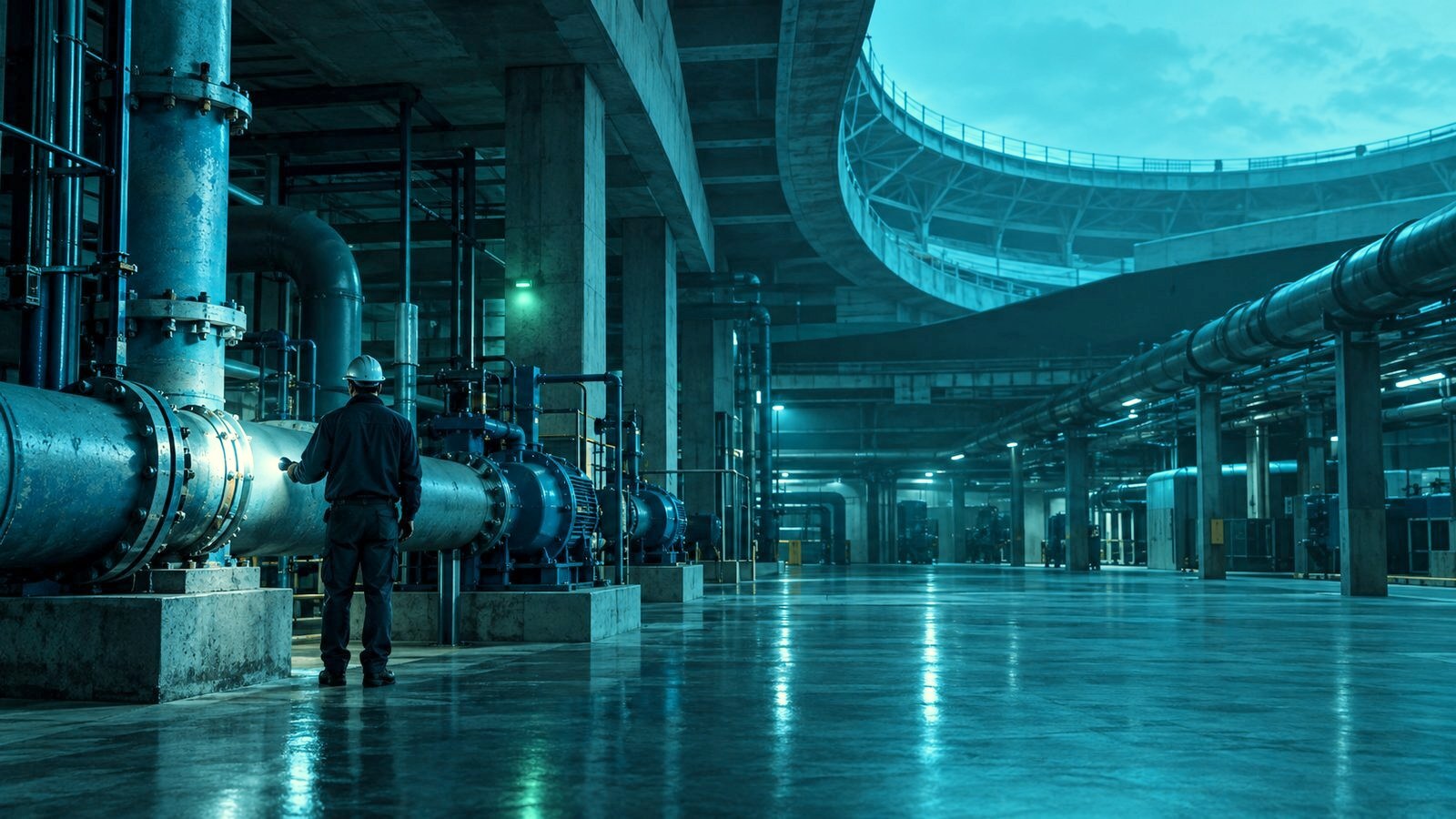
The events campus spans 184 acres, includes seven buildings, and operates with infrastructure more than 50 years old. Before deployment, the site relied on reactive maintenance and had limited visibility into critical systems before failure. That created mounting claims exposure, avoidable downtime, and persistent pressure on operating budgets and capital planning.
Novem deployed predictive monitoring across the highest-risk assets, including ice-making equipment, water systems, gas infrastructure, and outdoor sound systems. A single vibration alert on ice-making equipment prevented a maximum probable insurance claim of up to $5M, while additional monitoring identified a natural gas leak valued at more than $400K per year in wasted cost. The site also reduced electrical costs by 30% through lighting modernization and achieved a 4.5-year return on investment on that project alone.
The outcome strengthens Novem's position in public venues, events campuses, and other large infrastructure portfolios where deferred maintenance, insurance volatility, and equipment failure can quickly erode operating performance. It also reinforces the company's belief that aging infrastructure does not have to remain a liability when risk is made visible early enough to manage.
"This is what financial risk visibility looks like in practice. A prevented $5M claim, more than $400K in recovered utility cost, and 0% premium growth tell a stronger story to boards, insurers, and public stakeholders because the outcome is measurable and the savings are real."David Crawford, CFO and Head of Capital Planning, Novem
###
Notes to editors
All customer outcome figures in this release including the prevented $5M claim, $400K+ gas leak recovery, 30% electrical cost reduction, 4.5-year ROI, and 0% premium growth are Novem proprietary customer data. External statistics are sourced as follows:
[1] Water damage claims data (40% of claims; 117% average cost increase 2002 to 2012) Aviva Canada, "Canada: Nearly 40 Per Cent of All Home Insurance Claims Are the Result of Water Damage" (April 2013).
Note: The URL above is the corrected link to the Aviva Canada release. The original link used in v1.1 of this document returned a 404 error and has been updated.
About Novem
Novem is an artificial intelligence (AI)-powered Property Risk Platform that makes building failure predictable for institutional real estate portfolios. By combining real-time monitoring with normalized claims and equipment data, Novem turns invisible risk into audit-ready financial evidence. CFOs and asset owners use Novem to reduce Total Cost of Risk Ownership (TCRO) and insurance costs, protect net operating income (NOI), support stronger asset valuations, and enter board, lender, and insurer conversations prepared with facts. Novem is headquartered in Vancouver, Canada.
Media contact
Novem
pr@novemdigital.com
See how predictive operations could lower Total Cost of Risk Ownership (TCRO) across your portfolio before failure becomes a claim.